Saturday, November 16, 2024

What Is the Best Method of Potty Training a Child?

What Is the Best Method of Potty Training a Child?

Potty training can be a challenging but rewarding experience for both parents and children. There are various approaches to potty training, and the “best” method often depends on your child’s individual personality, learning style, and readiness. Let’s explore some popular methods and tips to help you find the perfect approach for your little one.

The 3-Day Method

The 3-day method, also known as potty training boot camp, involves an intensive approach where you dedicate three consecutive days to focused potty training. During this time, the child typically stays home without wearing diapers or pull-ups, allowing them to fully experience the sensations of needing to go.

  • Pros: Can be quick and effective for some children.
  • Cons: May be intense and overwhelming for some children and families. Requires a significant time commitment.

The Child-Oriented Approach

This method follows the child’s lead, allowing them to initiate potty training when they show signs of readiness. Parents provide gentle encouragement and support while respecting the child’s pace.

  • Pros: Less stressful for the child, respects their autonomy.
  • Cons: Can be a longer process, and requires a high level of patience.

The Brazelton Method

Developed by renowned pediatrician T. Berry Brazelton, this method emphasizes observation and timing. Parents carefully observe their child’s cues and introduce potty training when the child demonstrates physical and emotional readiness.

  • Pros: Tailored to the child’s individual development.
  • Cons: Requires close attention to the child’s signals, may take longer.
Successful Potty Training

The Positive Reinforcement Method

This approach focuses on rewarding and praising the child for their successes in using the potty. Positive reinforcement helps create a positive association with potty training and encourages the child to continue trying.

  • Pros: Motivates the child, creates a positive learning environment.
  • Cons: May not be effective for all children, requires consistency.

Tips for Successful Potty Training

Regardless of the method you choose, here are some essential tips to keep in mind:

  • Look for signs of readiness: Observe your child for signs like showing interest in the toilet, staying dry for longer periods, and expressing a desire to wear underwear.
  • Create a comfortable environment: Make the bathroom inviting and child-friendly with a potty chair, step stool, and favorite books.
  • Establish a routine: Take your child to the potty at regular intervals, such as first thing in the morning, after meals, and before bedtime.
  • Use positive language: Praise and encourage your child’s efforts, even small successes. Avoid punishment or scolding for accidents.
  • Be patient and consistent: Potty training takes time and patience. Stay consistent with your approach and celebrate milestones along the way.
  • Make it fun: Use games, songs, and books to make potty training enjoyable for your child.
  • Involve your child: Let your child choose their own potty chair and underwear to foster a sense of ownership and excitement.
  • Prepare for setbacks: Accidents are normal. Remain calm and reassuring, and continue to encourage your child.
  • Consider timing: Avoid starting potty training during times of stress or transition, such as a new sibling or moving to a new home.
  • Communicate with caregivers: Inform daycare providers or other caregivers about your potty training method to maintain consistency.
  • Celebrate successes: Acknowledge and celebrate your child’s achievements, big or small, to boost their confidence.

At Monarch Montessori School, we are  proud to offer potty training education & support! We offer potty training for as early as 18 months. Contact us for more information or to schedule a tour at 973-928-3605.

What Is the Best Method of Potty Training a Child?

Ultimately, the best method of potty training a child depends on their individual needs, personality, and learning style. Consider your child’s temperament, your family’s lifestyle, and your own parenting philosophy when choosing an approach.

Remember that patience, consistency, and positive reinforcement are crucial for success, regardless of the method you select.

Finding the best approach may involve some trial and error, but with understanding and support, you and your child can navigate this milestone with confidence. What is the best method of potty training a child? The one that works best for you and your child!

Don’t hesitate to come see us at 2 Newark Pompton Turnpike, Little Falls, New Jersey 07424. We would love to show you around and help your little one (18 months to toddler) with potty training.

Our Location

The post What Is the Best Method of Potty Training a Child? appeared first on Monarch Montessori School.


source https://www.monarch-montessori.com/what-is-best-method-potty-training-child/

Monday, October 14, 2024

Which is better – Montessori or Traditional School?

Which is better – Montessori or Traditional School?

Montessori education emphasizes self-directed learning, hands-on activities, and mixed-age classrooms. In contrast, traditional schools typically follow a structured curriculum with teacher-led instruction and grade-level classes.

Understanding these fundamental differences is key to determining which environment best suits your child’s learning style and personality

Let’s delve into the core distinctions between these approaches to help you make an informed choice for your child’s education.

Learning Environment

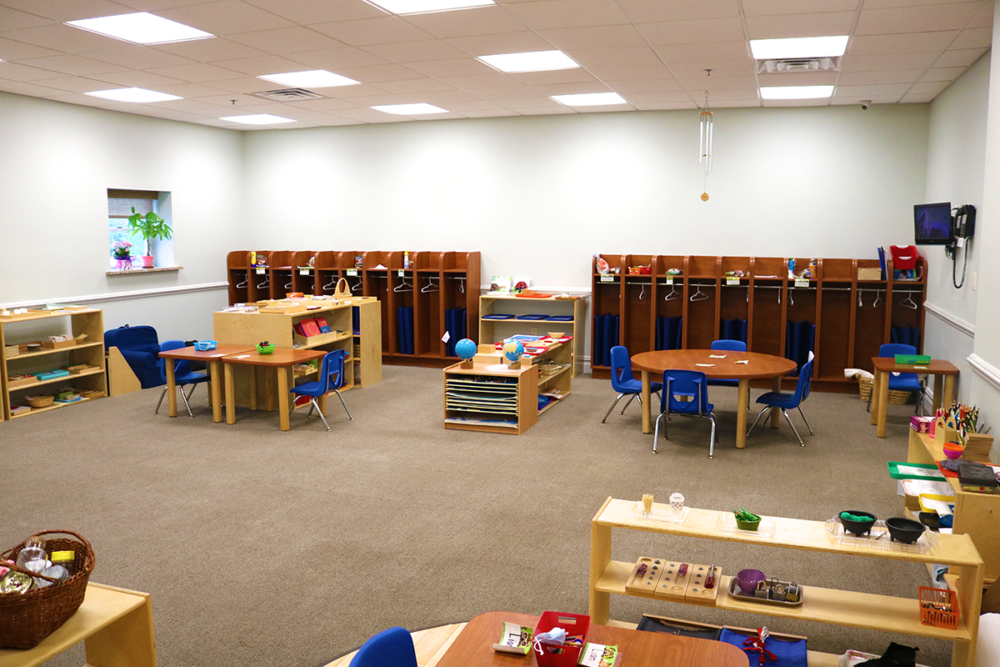
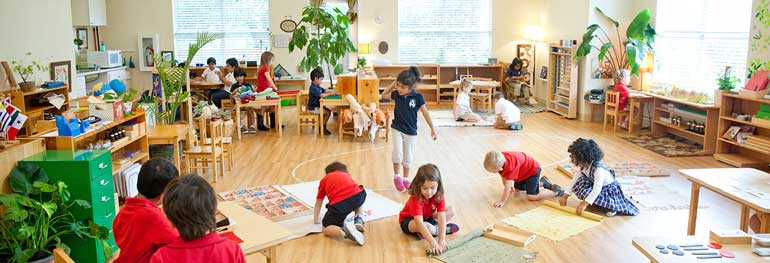
  • Montessori: Imagine a classroom filled with natural light, aesthetically pleasing materials, and various learning stations. Children move freely, choosing activities that interest them. This is the hallmark of a Montessori classroom—a prepared environment designed to foster exploration and independence.
  • Traditional: Picture desks arranged in rows, a teacher leading instruction from the front, and a structured daily schedule. Traditional classrooms emphasize order and a teacher-directed learning approach.

At Monarch Montessori School, we are friendly, fun, educational, and caring. We offer child-centered classrooms that present learning activities individually to children so that students progress at their own pace.

A Montessori Room

Curriculum and Teaching Methods

  • Montessori: The Montessori curriculum is often described as “following the child.” Learning is individualized, with teachers acting as guides and facilitators. Children engage with specially designed materials that encourage self-discovery and a deeper understanding of concepts. Sensory experiences and hands-on activities are central to the Montessori method.
    • Example: Instead of a worksheet on fractions, a child might use fraction circles to physically manipulate and visualize parts of a whole.
  • Traditional: In traditional schools, the curriculum is typically standardized and follows a set pace. Teachers deliver instruction to the entire class, and learning is often assessed through tests and quizzes. Rote memorization and textbook learning are more common in this setting.

Role of the Teacher

  • Montessori: Montessori teachers observe children closely, identify their interests, and guide them toward appropriate learning experiences. They foster a love of learning by providing support and encouragement while allowing children the freedom to explore at their own pace.
  • Traditional: In a traditional classroom, the teacher plays a more authoritative role, disseminating information and directing the learning process. The focus is on delivering a set curriculum within a specific timeframe.

Social Development

  • Montessori: Mixed-age classrooms are a defining feature of Montessori education. This setup allows younger children to learn from older peers, while older children develop leadership skills by mentoring younger ones. This fosters a sense of community and cooperation.
  • Traditional: Traditional schools typically group children by age. While this provides opportunities for social interaction with peers of the same age, it may limit the development of cross-age mentoring and leadership skills.

Here at Monarch Montessori School, we offer a variety of programs for your child. We offer childcare programs for infants to elementary school-age students. Contact us today to schedule a tour to view our facilities or call us for more information at 973-928-3605.

Assessment and Evaluation

  • Montessori: Assessment in Montessori is often ongoing and observational. Teachers track each child’s progress through detailed records and anecdotal notes. Standardized tests are generally not used in early childhood Montessori programs.
  • Traditional: Traditional schools rely heavily on standardized tests, quizzes, and grades to assess student learning and measure their performance against set standards.

Discipline and Classroom Management

  • Montessori: Montessori classrooms emphasize self-discipline and respect for others. Children are encouraged to resolve conflicts peacefully and take responsibility for their actions. The prepared environment itself plays a role in classroom management, as children are engaged in purposeful activities.
  • Traditional: Traditional classrooms often rely on external rewards and consequences to manage behavior. Rules and expectations are clearly defined, and teachers enforce them to maintain order.

Choosing the Right Fit for Your Child

The decision between Montessori and traditional school ultimately depends on your child’s individual needs and learning style. Consider your child’s personality, interests, and how they respond to different learning environments.

  • Is your child naturally curious and self-directed? A Montessori environment might be a good fit.
  • Does your child thrive in a structured setting with clear expectations? A traditional school could be a better option.

Visiting both Montessori and traditional schools, observing classrooms, and talking to teachers and parents can help you make an informed decision.

Come visit us at our central location:  2 Newark Pompton Turnpike, Little Falls, New Jersey 07424. We have other schools throughout NJ from North Caldwell to Cedar Grove. We would love to help you find the best school for your little one.

Which is better – Montessori or Traditional School?

Choosing the right educational path for your child is a personal journey. Both Montessori and traditional schools offer valuable learning experiences, but their approaches differ significantly. Reflect on your child’s unique needs and learning preferences.

Consider the long-term impact you envision for their education. Ultimately, the best choice is the one that aligns with your child’s individual development and sets them up for success.

Our Location

The post Which is better – Montessori or Traditional School? appeared first on Monarch Montessori School.


source https://www.monarch-montessori.com/which-better-montessori-traditional-school/

Tuesday, September 17, 2024

At What Age Should My Child Begin Daycare?

At What Age Should My Child Begin Daycare?

Deciding when to enroll your little one in daycare is a significant decision for any parent. It involves weighing various factors, including your child’s developmental stage, your family’s needs, and the available daycare options.

Let’s explore the different aspects to consider when determining the ideal age for your child to start daycare.

Understanding the Benefits of Daycare

Daycare offers numerous advantages for young children, fostering their growth and development in various ways The key benefits are as follows:

  • Socialization: Daycare provides a rich environment for children to interact with peers, learn to share, and develop essential social skills.
  • Cognitive Development: Through structured activities and play, daycare stimulates children’s cognitive abilities, enhancing their language, problem-solving, and critical thinking skills.
  • Emotional Development: Daycare helps children develop emotional regulation and builds resilience, preparing them for future challenges.
  • School Readiness: Daycare provides a foundation for academic success, introducing children to basic concepts and routines that will benefit them in school.
  • Independence: Daycare encourages children to become more self-sufficient, fostering their confidence and independence.

At Monarch Montessori School, our curriculum has proven to be an excellent path that fosters your child’s developmental stages. We believe that each child is unique and special. Contact us at 973-928-3605 about a tour (virtual or in-person) to check out our early education facility.

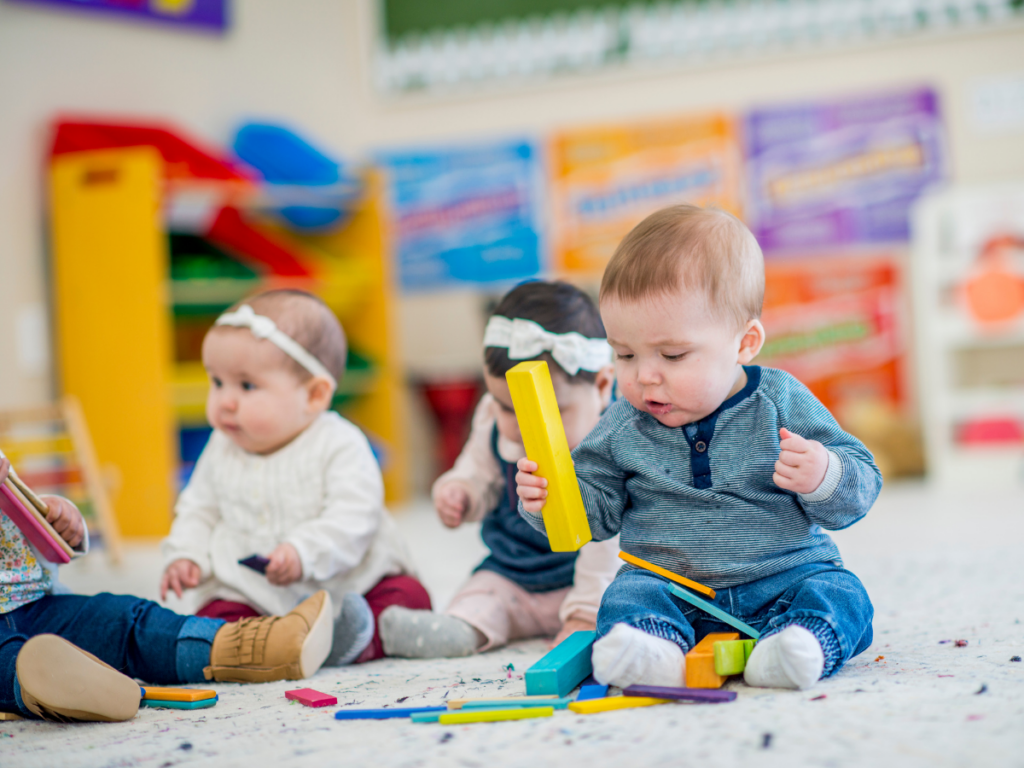
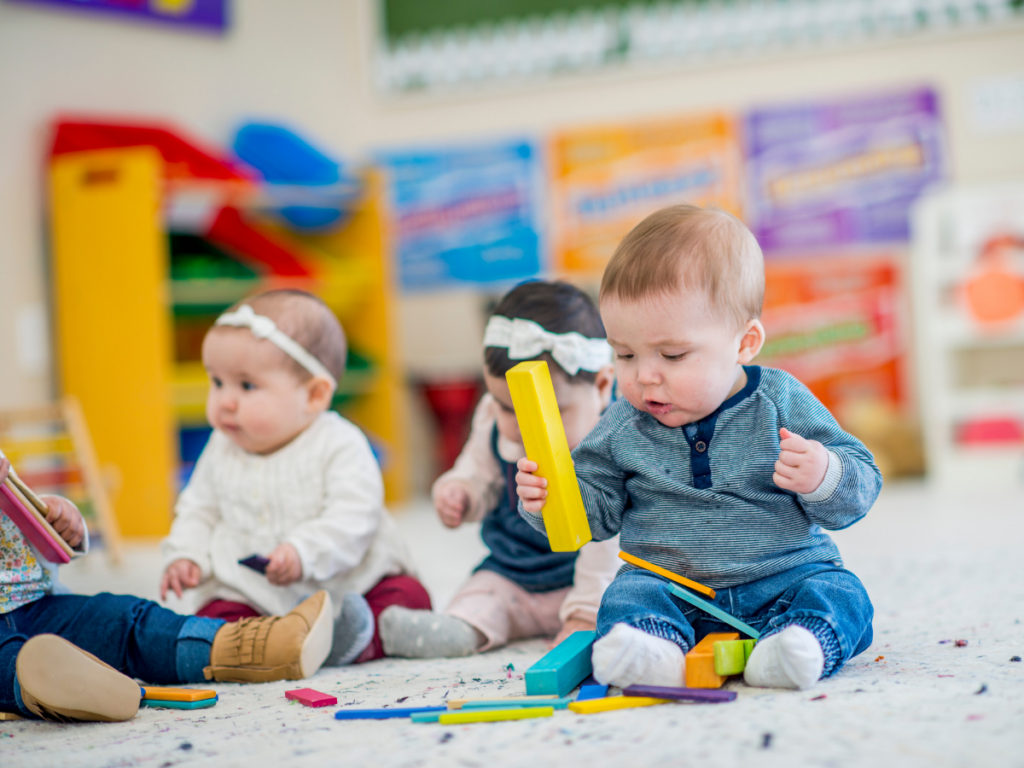
Infant In Daycare

Factors to Consider When Choosing the Right Age

While daycare offers numerous benefits, the ideal age for your child to start will depend on several factors. Consider the following:

  • Your Child’s Development: Some children thrive in social settings from a young age, while others may need more time to develop their independence. Observe your child’s temperament and social skills to gauge their readiness.
  • Your Family’s Needs: Consider your work schedule, childcare arrangements, and financial situation when deciding on the right time for daycare.
  • Daycare Options: Research different daycare providers in your area, comparing their philosophies, programs, and age requirements.
  • Financial Considerations: Daycare costs can vary significantly. Factor in your budget when making your decision.
  • Your Child’s Health: If your child has any health concerns, consult with their pediatrician to ensure daycare is a safe and appropriate option.

Exploring Different Age Groups and Their Readiness

Let’s delve into the specific considerations for enrolling your child in daycare at different ages:

Infants (0-12 Months)

  • Benefits: Daycare can provide infants with consistent care and a stimulating environment, promoting their early development.
  • Considerations: Infants require a high level of individual attention and care. Choose a daycare with a low caregiver-to-child ratio and experience caring for infants.

Toddlers (1-3 Years)

  • Benefits: Daycare offers toddlers opportunities for social interaction, exploration, and learning through play.
  • Considerations: Toddlers are developing their independence and may experience separation anxiety. Look for a daycare with patient and understanding caregivers who can support their emotional needs.

Preschoolers (3-5 Years)

  • Benefits: Daycare helps preschoolers further develop their social, emotional, and cognitive skills, preparing them for kindergarten.
  • Considerations: Preschoolers benefit from structured activities and opportunities for creative expression. Choose a daycare with a curriculum that aligns with your child’s interests and learning style.

We have learned that consistency is key to a child’s development. At Monarch Montessori School, we pride ourselves in having a nationally recognized baby-to-elementary school curriculum.

Making the Transition Smooth

Starting daycare can be an emotional time for both children and parents. Here are some tips to help make the transition smoother:

  • Visit the Daycare Together: Familiarize your child with the daycare environment and staff before their first day.
  • Start with Short Days: Gradually increase the length of your child’s daycare days to help them adjust.
  • Establish a Routine: Maintain consistent routines at home and at daycare to provide your child with a sense of security.
  • Communicate with the Caregivers: Share information about your child’s needs, preferences, and routines with the daycare staff.
  • Be Patient and Understanding: Allow your child time to adjust to their new environment. It’s normal for them to experience some separation anxiety or behavioral changes initially.

At What Age Should My Child Begin Daycare?

Choosing the right age for your child to begin daycare is a personal decision that requires careful consideration. You need to understand the benefits of daycare and weigh and explore the specific needs of your child’s age. This will help you make an informed choice that supports your child’s growth and development.

Remember, there’s no one-size-fits-all answer. The best age for your child to start daycare will depend on their individual needs, your family’s circumstances, and the available daycare options. Trust your instincts, communicate openly with your child and daycare providers, and embrace this exciting new chapter in your child’s life.

Here at Monarch Montessori School, we value you and your child’s needs. Come check us out at our main school located at 2 Newark Pompton Turnpike, Little Falls, New Jersey 07424 to learn about the benefits of a Montessori Program. We provide schooling for several locations in NJ.  We pride ourselves on being friendly, educational, caring, and fun!

Our Location

The post At What Age Should My Child Begin Daycare? appeared first on Monarch Montessori School.


source https://www.monarch-montessori.com/what-age-should-my-child-begin-daycare/

Monday, August 12, 2024

What Age Can I Start Daycare for My Infant?

What Age Can I Start Daycare for My Infant?

If you’re interested in learning more about what age you can start daycare for your infant, you’ve come to the right place! Deciding when to enroll your little one in daycare is a significant step for many parents. It’s a decision that involves balancing your child’s developmental needs, your family’s schedule, and your comfort level. In this guide, we’ll explore what factors to consider when determining the right age for daycare and provide insights to help you make an informed choice.

Understanding Infant Development and Daycare Readiness

Infants grow and develop at an astonishing pace during their first year of life. It’s important to consider your child’s individual developmental milestones when deciding on daycare. Some infants may be ready for social interaction and group settings earlier than others. Here are some signs that your infant might be ready for daycare:

  • Physical Development: Your baby can hold their head up, roll over, and maybe even sit with support. These physical milestones indicate that they can participate in some of the activities at daycare.
  • Emotional Development: Your baby can self-soothe and doesn’t get overly distressed when separated from you for short periods. This emotional resilience is important for adapting to the daycare environment.
  • Social Development: Your baby shows interest in other people and enjoys interacting with them. This social readiness suggests they might benefit from the social stimulation of daycare.
Best Daycare For Infant

Factors to Consider When Choosing a Daycare Start Age

There is no one-size-fits-all answer to the question of when to start daycare. The right age for your infant depends on a variety of factors, including:

  • Your Child’s Individual Needs: Consider your baby’s temperament, developmental stage, and any special needs they might have. Some infants thrive in social settings, while others need more time to adjust.
  • Your Family’s Schedule and Work Commitments: Daycare can provide much-needed support for working parents. Evaluate your family’s schedule and determine when daycare would be most beneficial.
  • Your Financial Situation: Daycare costs can vary significantly. Assess your budget and research different daycare options to find one that fits your financial needs.
  • Your Comfort Level: Trusting your infant with daycare providers is a big step. Choose a daycare center that you feel confident and comfortable with.

PRO-TIP: You can contact Monarch Montessori School about when the right time is to enroll your child. Send us a message on there Contact Us Today page. If you are ready to enroll your child, message them on our admission page. 

Common Daycare Start Ages for Infants

While the ideal start age varies for each child, here are some common ages when parents enroll their infants in daycare:

  • 6 Weeks to 3 Months: Some parents start daycare as early as six weeks old, often due to work commitments. At this age, infants primarily need nurturing care and a safe environment.
  • 3 to 6 Months: As infants become more alert and interactive, they may start to benefit from the social stimulation of daycare. However, they still require individual attention and care.
  • 6 to 9 Months: This age range is a popular choice for daycare enrollment. Infants are more mobile and curious, and daycare can provide opportunities for exploration and learning.
  • 9 to 12 Months: As infants approach their first birthday, they become more independent and social. Daycare can offer a structured environment for continued growth and developments. 

At Monarch Montessori School, we offer a fun and purpose built infant childcare program for children 6 weeks to 18 months all the way up through elementary school. Choosing the right school is important. Come check us out by scheduling an in-person tour or taking a virtual tour.

What Age Can I Start Daycare for My Infant?

Choosing the right age to start daycare for your infant is a personal decision that depends on various factors. By considering your child’s individual needs, your family’s circumstances, and the available daycare options, you can make an informed choice that supports your baby’s growth and development. Remember, there is no single “right” age for daycare. The most important thing is to choose a daycare center that provides a safe, nurturing, and stimulating environment for your little one.

If you’re still unsure about when to start daycare, consult with your pediatrician or a child development specialist. They can provide personalized guidance based on your infant’s unique needs and development. Ultimately, the goal is to choose a path that fosters your child’s well-being and sets them up for success in the years to come.

At Monarch Monessori School, your child will find the support he or she needs to develop his or her own capabilities. We are located in Little Falls, New Jersey just 2 blocks away from the Willowbrook Mall and minutes away from entrances to I-80, Route 46 and Route 3.

Our Location

The post What Age Can I Start Daycare for My Infant? appeared first on Monarch Montessori School.


source https://www.monarch-montessori.com/what-age-can-i-start-daycare-my-infant/

Friday, July 12, 2024

Montessori Daycare VS Traditional Daycare

Montessori Daycare VS Traditional Daycare

If you’re a parent seeking the best possible start for your child, you’ve probably wondered about the differences between Montessori daycare and traditional daycare. In a world filled with options, you want to choose the path that ignites a lifelong love of learning and fosters independence. We’re here to guide you through the distinct approaches of Montessori and traditional daycare. By understanding their unique characteristics, you’ll be equipped to make an informed decision that sets your child on a path to thrive.

Here at Monarch Montessori, we offer a summer program in NJ for kindergarteners and all kids ranging from 6 weeks old to 9 years old. Feel free to contact us any time to learn more about the amazing summer program and summer activities for kids.

Understanding the Montessori Approach

At the heart of Montessori daycare is the belief that children are naturally curious and capable learners. The environment is carefully crafted to encourage exploration and self-directed learning. Children choose activities that spark their interest, whether it’s mastering the art of pouring water or delving into the world of language through letter sounds.

  • Child-led learning: Teachers act as guides, observing each child’s unique strengths and interests.
  • Mixed-age classrooms: Younger children learn from older peers, while older children develop leadership skills.
  • Hands-on materials: Specially designed materials cater to different learning styles and stages of development.
  • Freedom within limits: Children have the freedom to move and explore within a structured environment.

The Traditional Daycare Experience

Traditional daycare often follows a more teacher-directed approach, with a focus on structured activities and a set schedule. While this can provide a sense of routine, it may not always cater to each child’s individual pace of learning.

  • Teacher-led activities: Learning activities are typically planned and directed by teachers.
  • Age-specific classrooms: Children are grouped with peers of the same age.
  • Focus on play: Playtime is often unstructured, offering social interaction and creative opportunities.
  • Preparation for traditional schooling: Traditional daycare may emphasize pre-academic skills.

Comparing the Benefits

Both Montessori and traditional daycare offer valuable experiences for young children. The ideal choice depends on your child’s personality and your family’s values.

  • Montessori Benefits:
    • Fosters independence and self-motivation
    • Promotes a love of learning through exploration
    • Develops problem-solving and critical thinking
    • Encourages a sense of community and respect for others
    • Builds a strong foundation for future academic success
  • Traditional Daycare Benefits:
    • Provides a structured routine and predictable schedule
    • Offers opportunities for social interaction and play
    • May introduce pre-academic concepts and skills
    • Familiarizes children with a more teacher-directed approach
    • Can be more affordable than Montessori daycare
Montessori-Daycare-VS-Traditional-Daycare

Making the Right Choice: Questions to Ask

As you weigh your options, consider these questions:

  • What is your child’s learning style? Does your child thrive in a self-directed environment or prefer more guidance?
  • What are your priorities for your child’s development? Do you value independence, creativity, academic skills, or a combination?
  • What is the philosophy of the daycare you are considering? Does it align with your family’s values and beliefs?

The Montessori Education Advantage

The Montessori approach offers a distinct advantage by recognizing that each child is a unique learner with boundless potential. Montessori environments are meticulously designed to empower children to explore their interests, make discoveries, and learn at their own pace. The carefully prepared classrooms, filled with thoughtfully curated materials, invite children to engage their senses and intellect.

Guided by passionate and highly trained educators, Montessori classrooms cultivate a love of learning that extends far beyond the early years. Children are not merely taught information; they are encouraged to become active participants in their own education. This fosters independence, critical thinking, and a lifelong curiosity that serves them well in all aspects of life.

Through hands-on experiences, collaborative projects, and the freedom to choose their own path, children in Montessori settings develop a deep understanding of the world around them. They build confidence, resilience, and a strong sense of self. This holistic approach to education nurtures not only academic skills but also social-emotional intelligence, creativity, and a passion for lifelong learning.

Montessori Daycare VS Traditional Daycare

Choosing the right daycare is a significant decision for any parent. By understanding the differences between Montessori and traditional daycare, you can choose a path that aligns with your child’s needs and your family’s values. At Monarch Montessori, we invite you to experience the transformative power of Montessori education.

PRO TIP: Check out Monarch Montessori’s programs for kindergarten program, primary education, and toddler students. They help kids learn and grow in different ways. Don’t miss their Summer Camp and Infant Daycare in NJ for more fun and learning!

Let’s nurture the thinkers, leaders, and innovators of tomorrow together. Contact us today to schedule a tour and see the Montessori difference for yourself!

Our Location

The post Montessori Daycare VS Traditional Daycare appeared first on Monarch Montessori School.


source https://www.monarch-montessori.com/montessori-daycare-vs-traditional-daycare/

Wednesday, July 3, 2024

Thursday, June 20, 2024

Is a Summer Program in NJ Good for Kids and What Do You Do There?

Is a Summer Program in NJ Good for Kids and What Do You Do There?

So it’s summertime and you probably have been searching for something like “summer program near me” or “summer camp near me”. With the goal of finding out about all the summer program opportunities around you. 

Fantastic! But if you are reading this, then you probably have thought to yourself. “Is it worth taking my kid to a summer program in NJ, I mean after all, what would they do there?”

Well, today we are going to talk about how a summer program in NJ offers your child a unique blend of fun, learning, and personal growth. But what exactly do kids do at summer camp, and are they truly beneficial for their development? Let’s dive in and explore the exciting world of summer camps together.

The Benefits of Summer Camps for Kids

A summer program for kids provides children with a myriad of benefits that extend far beyond just having fun. One of the most significant advantages is the opportunity for kids to develop important social skills. Through interacting with peers from diverse backgrounds, children learn to communicate effectively, collaborate on projects, and build lasting friendships.

Summer camps also foster independence and self-confidence. Away from the familiar environment of home and school, children are encouraged to step out of their comfort zones, try new things, and take on challenges. This newfound independence can significantly boost their self-esteem and resilience.

Furthermore, summer camps offer a wealth of educational opportunities. Whether it’s learning about nature through outdoor activities, developing artistic skills in creative workshops, or honing athletic abilities on the sports field, children are exposed to a wide range of enriching experiences that complement their academic learning.

A Typical Day at a Summer Program in NJ 

While each summer camp has its own unique schedule and activities, a typical day usually involves a mix of structured and unstructured time. Mornings often start with group activities such as team-building exercises, educational workshops, or sports sessions. Afternoons might be dedicated to swimming, arts and crafts, or exploring nature trails. Evenings are typically reserved for campfires, talent shows, or movie nights.

Here’s a glimpse of what a typical day at summer camp might look like:

  • Morning: Breakfast, flag-raising ceremony, team-building games, educational workshop.
  • Afternoon: Lunch, swimming, arts and crafts, free time for exploring or socializing.
  • Evening: Dinner, campfire with songs and stories, talent show, movie night.

Of course, this is just a general outline, and the specific activities will vary depending on the type of camp and the campers’ interests.

summer program NJ

Choosing the Right Summer Program for Your Child

With so many summer camps to choose from, it’s important to select one that aligns with your child’s interests and needs. Some factors to consider include:

  • Type of Camp: Day camp, overnight camp, specialty camp (e.g., sports, arts, STEM).
  • Location: Local, regional, or national.
  • Cost: Budget-friendly or more expensive options.
  • Activities: A variety of activities are offered, focusing on specific interests.
  • Philosophy: Traditional, religious, or alternative.

If possible, it’s also a good idea to visit the camp in person to get a feel for the atmosphere and meet the staff. Talking to other parents whose children have attended the camp can also be helpful.

Also, most schools offer summer programs and summer camps, so check with your local school to see if they are offering any summer opportunities. 

Making the Most of a Summer Program

To help your child get the most out of their summer program experience, encourage them to participate in as many activities as possible. Remind them to be open to trying new things, making new friends, and embracing the independence that camp offers.

Packing a few essentials can also enhance the experience. A flashlight, sunscreen, insect repellent, a water bottle, and comfortable clothing are all important items to include.

Most importantly, encourage your child to have fun and take advantage of this unique opportunity for growth and adventure.

Summary to Are Summer Camps Good for Kids and What Do You Do There?

Summer camps offer children a multitude of benefits, including social skills development, increased independence, educational opportunities, and fun-filled experiences. By choosing the right camp and encouraging your child to participate fully, you can help them make the most of this enriching opportunity.

So, are summer camps good for kids? Absolutely! They provide a unique environment where children can learn, grow, and create lasting memories. If you’re considering sending your child to summer camp, we encourage you to explore the many options available and find one that’s the perfect fit for your child’s interests and needs.

Here at Monarch Montessori, we offer a summer program in NJ for kindergarteners and all kids ranging from 6 weeks old to 9 years old. Feel free to contact us any time to learn more about the amazing summer program and summer activities for kids.

After all, a summer camp in 2024 is an experience that your child will cherish for years to come.

Our Location

The post Is a Summer Program in NJ Good for Kids and What Do You Do There? appeared first on Monarch Montessori School.


source https://www.monarch-montessori.com/is-a-summer-program-in-nj-good-for-kids-and-what-do-you-do-there/

5 Common Causes Of Potty Training Regression

5 Common Causes Of Potty Training Regression If you’ve joyfully celebrated your little one’s potty training success , only to find yourselv...