Wednesday, April 24, 2024

Why Is It Important To Interact With Infants?

Why Is It Important To Interact With Infants? 

Why Is It Important To Interact With Infants? In the early stages of life, every interaction and experience shape an infant’s cognitive, emotional, and social development. As caregivers and educators, our role in fostering healthy growth and learning for infants in daycare or school environments is paramount. Interacting with infants goes beyond simple caregiving tasks; it involves engaging with them in meaningful ways that support their overall well-being and development. In this blog post, we’ll delve into the importance of interacting with infants in daycare or school settings and explore the profound impact it has on their early years.

PRO TIP: Check out Monarch Montessori’s programs for kindergarten program, primary education, and toddler students. They help kids learn and grow in different ways. Don’t miss their Summer Camp and Infant Daycare in NJ for more fun and learning!

Building Trust and Attachment

Interacting with infants forms the foundation of trust and attachment between caregivers and children. When infants receive responsive and nurturing care, they develop a sense of security and confidence in their caregivers, which is essential for healthy emotional development. Through gentle touch, soothing words, and attentive responses to their needs, caregivers establish a secure attachment bond that lays the groundwork for positive relationships and emotional resilience later in life.

Stimulating Cognitive Development

Infancy is a period of rapid brain development, with neurons forming new connections at an astonishing rate. Interacting with infants in stimulating ways provides valuable sensory experiences that promote cognitive development. Activities such as talking, singing, reading, and playing with age-appropriate toys help infants explore their environment, develop language skills, and enhance their cognitive abilities. By engaging in interactive experiences, caregivers stimulate infants’ curiosity and foster a love for learning from an early age.

Supporting Language Acquisition

Language development begins in infancy, with infants eagerly absorbing the sounds, rhythms, and patterns of speech in their environment. Interacting with infants through conversation, storytelling, and singing not only exposes them to language but also encourages vocalization and communication skills. Caregivers can model language, respond to infants’ babbling, and engage in reciprocal exchanges to support the development of expressive and receptive language abilities.
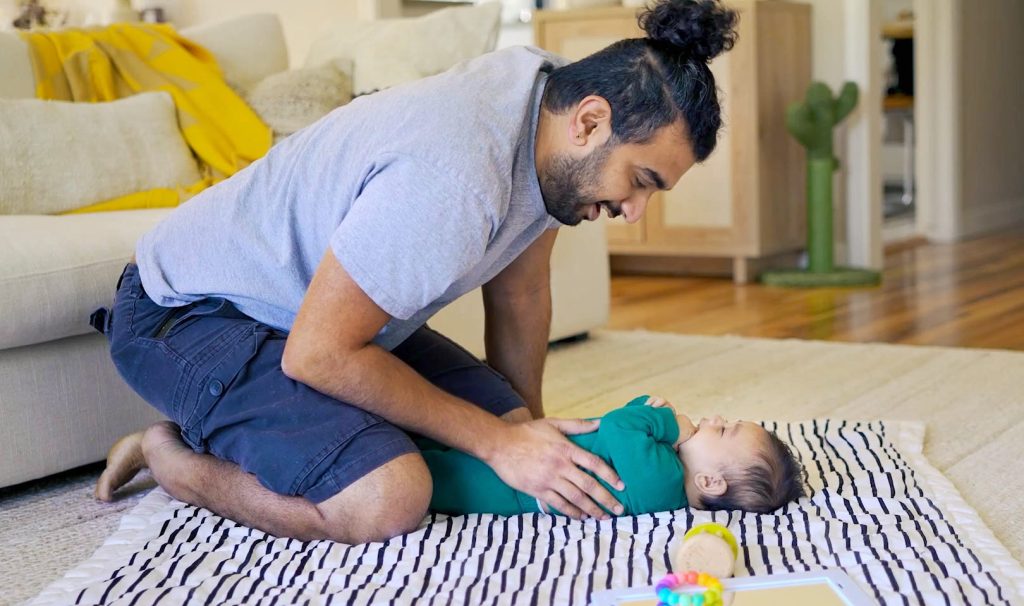
Why Is It Important To Interact With Infants

Encouraging Social Interaction

Even in the earliest months of life, infants demonstrate a natural inclination towards social interaction and connection with others. Interacting with infants in daycare or school settings provides opportunities for social engagement and peer interaction, which are essential for developing social skills and emotional intelligence. Through simple games, turn-taking activities, and group interactions, caregivers facilitate meaningful social experiences that lay the groundwork for positive relationships and cooperation in later years.

Fostering Emotional Regulation

Infants rely on caregivers to help them regulate their emotions and navigate the ups and downs of daily life. Interacting with infants in responsive and sensitive ways teaches them to recognize and express their emotions, as well as cope with stress and frustration. By providing comfort, reassurance, and validation of their feelings, caregivers support infants’ emotional development and lay the groundwork for healthy self-regulation skills.

Promoting Physical Development

Interacting with infants involves supporting their physical development through activities that encourage movement, exploration, and sensory experiences. Caregivers can provide opportunities for tummy time, crawling, reaching, and grasping, as well as introduce age-appropriate toys and objects that stimulate fine and gross motor skills. Through interactive play and movement activities, caregivers help infants develop strength, coordination, and spatial awareness.

Why Is It Important To Interact With Infants?

Interacting with infants in daycare or school settings is essential for nurturing their holistic development and laying the foundation for lifelong learning and well-being. From building trust and attachment to stimulating cognitive development, supporting language acquisition, and fostering social interaction, the interactions infants have with caregivers shape their early experiences and lay the groundwork for future growth and success. As caregivers and educators, it is our responsibility to provide infants with responsive, nurturing, and enriching experiences that support their physical, cognitive, emotional, and social development during this critical period of life. By prioritizing meaningful interactions with infants, we empower them to thrive and reach their full potential in the years to come. Contact Monarch Montessori School in New Jersey for any questions about our infant program! 

Our Location

We are located at 2 Newark Pompton Turnpike, Little Falls, NJ 07424.

The post Why Is It Important To Interact With Infants? appeared first on Monarch Montessori School.


source https://www.monarch-montessori.com/why-is-it-important-to-interact-with-infants/

Friday, March 15, 2024

Exploring the Importance of Hands-On Learning in Early Education

Exploring the Importance of Hands-On Learning in Early Education

Interested in exploring the importance of hands-on learning in early education? You’ve found the right post. Hands-on learning has long been one of the best ways to teach children early lessons and skills. This way, young students both study materials and learn through experience. The lessons let kids use their hands to learn and create. These teach them how to solve common problems in life. It’s worth further delving into why this method continues to be effective. 

The Montessori Principle of Hands-On Learning

It’s a common, well-stated goal that children should be taught skills for the future. But the Montessori way of teaching favors giving kids hands-on experience. The principle believes that providing in-person lessons is the best way for kids to retain lessons. The concept is named after Dr. Maria Montessori. She firmly believed in the importance of providing hands-on lessons for children. This makes it easier for kids to grasp concepts. This hands-on approach immerses children intellectually and emotionally. This will increase the chance for lessons sticking with kids as they age.

Hands-On Learning Is Easier for Children

The Montessori approach has children moving around the classroom for lessons. Here, they’ll engage with several activities. This is a better approach to children remaining in classroom desks while the teacher provides lessons. This gives children the freedom to choose which lesson they’d like to experience next. They’ll then bring it to one of their own tables. They’ll explore materials and discover concepts for themselves.

Children can be taught to count, sure. But it’s better when kids are shown how numbers are applied to real-world settings. This is easier to teach them when they’re given materials to count. For example: If kids want to know the number of peas in a can, they’ll learn numbers by counting them. This is also a great way to teach kids about colors. It’s one matter to merely give them the information from a textbook in a lesson plan. It’s another matter to let them mix the colors themselves. 

PRO TIP: Explore Monarch Montessori’s tailored programs for infants, toddlers, primary students, and more, nurturing holistic growth and development at every stage.

It’s Very Effective for Younger Children

It’s a great idea to let a child explore subjects and experiences for themselves. This is particularly effective when they’re very young. Teachers can provide these hands-on examples in schools. 

These will include the concepts about counting and colors. But they can also work alongside adults as they perform their duties. The kids can help with the cleaning and washing. With plenty of hands-on experience, they’ll learn to do it themselves. Young kids love to go hands-on with lessons and examples. They enjoy the concept of touching and feeling at a younger age. This is a great way to both state their desires, and teach them life lessons.

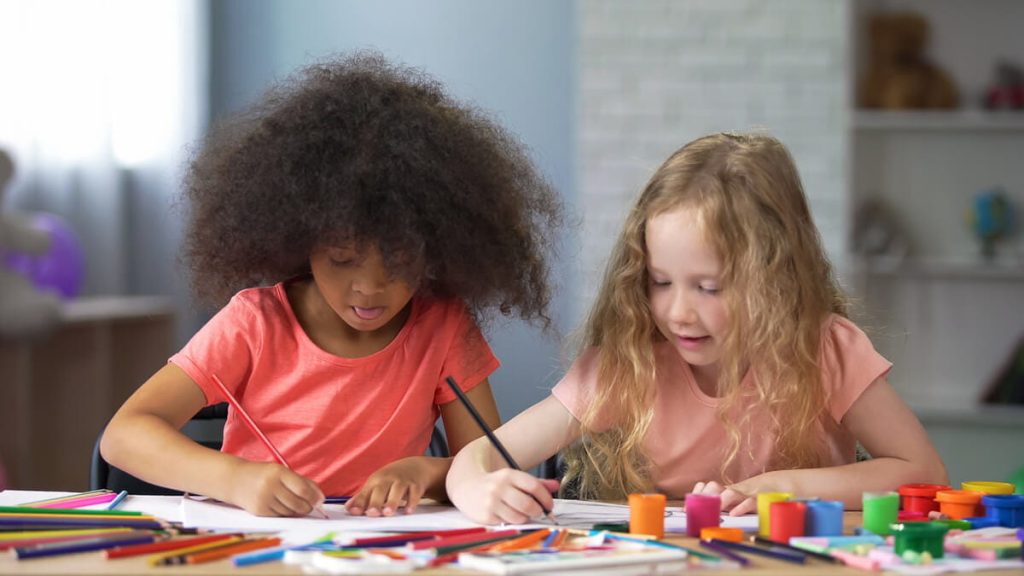
Exploring-the-Importance-of-Hands-On-Learning-in-Early-Education

The Best Subjects to Teach for This Hands-On Learning

Children will excel when they’re taught several subjects through hands-on learning. This will include cultural studies, where children can identify places around the world. Science is included here too. Children will learn about animals through sketching them. They’ll also engage in weather-related and environmental experiences. Math concepts are also easier to teach here. Children are given tangible objects to count, including blocks and beans. Montessori also works for improving language skills in the young. Sequencing cards are great tools for children to test themselves. The same applies to movable alphabet letters and words.

The Montessori way is also key for teaching comparatively uncommon classroom lessons. These include fine motor skills. It’s easier for kids to learn how to complete art projects this way. This is also key for teaching them how to draw, trace, and cut objects. Other life skills are also teachable through hands-on learning. They’ll learn how to use common tools. They’ll also learn through their parents giving them guidance.

Exploring the Importance of Hands-On Learning in Early Education

Hands-on learning is important for children. It makes lessons easier for them to retain as they ease their way into their teenage years and adulthood. The Montessori way favors having children learning through tangible lessons with examples. The children even have the freedom to learn what they want at any given time. Here, the children will put their practicing into action. Several subjects are easier for kids to remember through these hands-on methods. These methods explore the importance of hands-on learning in early education.

The post Exploring the Importance of Hands-On Learning in Early Education appeared first on Monarch Montessori School.


source https://www.monarch-montessori.com/exploring-the-importance-of-hands-on-learning-in-early-education/

5 Common Causes Of Potty Training Regression

5 Common Causes Of Potty Training Regression If you’ve joyfully celebrated your little one’s potty training success , only to find yourselv...