Thursday, June 20, 2024

Is a Summer Program in NJ Good for Kids and What Do You Do There?

Is a Summer Program in NJ Good for Kids and What Do You Do There?

So it’s summertime and you probably have been searching for something like “summer program near me” or “summer camp near me”. With the goal of finding out about all the summer program opportunities around you. 

Fantastic! But if you are reading this, then you probably have thought to yourself. “Is it worth taking my kid to a summer program in NJ, I mean after all, what would they do there?”

Well, today we are going to talk about how a summer program in NJ offers your child a unique blend of fun, learning, and personal growth. But what exactly do kids do at summer camp, and are they truly beneficial for their development? Let’s dive in and explore the exciting world of summer camps together.

The Benefits of Summer Camps for Kids

A summer program for kids provides children with a myriad of benefits that extend far beyond just having fun. One of the most significant advantages is the opportunity for kids to develop important social skills. Through interacting with peers from diverse backgrounds, children learn to communicate effectively, collaborate on projects, and build lasting friendships.

Summer camps also foster independence and self-confidence. Away from the familiar environment of home and school, children are encouraged to step out of their comfort zones, try new things, and take on challenges. This newfound independence can significantly boost their self-esteem and resilience.

Furthermore, summer camps offer a wealth of educational opportunities. Whether it’s learning about nature through outdoor activities, developing artistic skills in creative workshops, or honing athletic abilities on the sports field, children are exposed to a wide range of enriching experiences that complement their academic learning.

A Typical Day at a Summer Program in NJ 

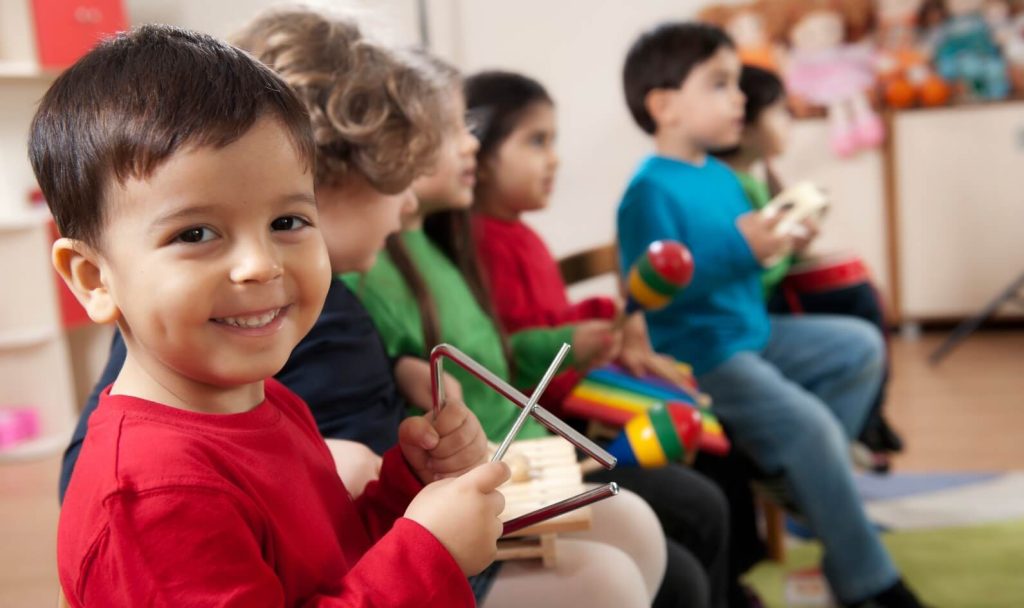
While each summer camp has its own unique schedule and activities, a typical day usually involves a mix of structured and unstructured time. Mornings often start with group activities such as team-building exercises, educational workshops, or sports sessions. Afternoons might be dedicated to swimming, arts and crafts, or exploring nature trails. Evenings are typically reserved for campfires, talent shows, or movie nights.

Here’s a glimpse of what a typical day at summer camp might look like:

  • Morning: Breakfast, flag-raising ceremony, team-building games, educational workshop.
  • Afternoon: Lunch, swimming, arts and crafts, free time for exploring or socializing.
  • Evening: Dinner, campfire with songs and stories, talent show, movie night.

Of course, this is just a general outline, and the specific activities will vary depending on the type of camp and the campers’ interests.

summer program NJ

Choosing the Right Summer Program for Your Child

With so many summer camps to choose from, it’s important to select one that aligns with your child’s interests and needs. Some factors to consider include:

  • Type of Camp: Day camp, overnight camp, specialty camp (e.g., sports, arts, STEM).
  • Location: Local, regional, or national.
  • Cost: Budget-friendly or more expensive options.
  • Activities: A variety of activities are offered, focusing on specific interests.
  • Philosophy: Traditional, religious, or alternative.

If possible, it’s also a good idea to visit the camp in person to get a feel for the atmosphere and meet the staff. Talking to other parents whose children have attended the camp can also be helpful.

Also, most schools offer summer programs and summer camps, so check with your local school to see if they are offering any summer opportunities. 

Making the Most of a Summer Program

To help your child get the most out of their summer program experience, encourage them to participate in as many activities as possible. Remind them to be open to trying new things, making new friends, and embracing the independence that camp offers.

Packing a few essentials can also enhance the experience. A flashlight, sunscreen, insect repellent, a water bottle, and comfortable clothing are all important items to include.

Most importantly, encourage your child to have fun and take advantage of this unique opportunity for growth and adventure.

Summary to Are Summer Camps Good for Kids and What Do You Do There?

Summer camps offer children a multitude of benefits, including social skills development, increased independence, educational opportunities, and fun-filled experiences. By choosing the right camp and encouraging your child to participate fully, you can help them make the most of this enriching opportunity.

So, are summer camps good for kids? Absolutely! They provide a unique environment where children can learn, grow, and create lasting memories. If you’re considering sending your child to summer camp, we encourage you to explore the many options available and find one that’s the perfect fit for your child’s interests and needs.

Here at Monarch Montessori, we offer a summer program in NJ for kindergarteners and all kids ranging from 6 weeks old to 9 years old. Feel free to contact us any time to learn more about the amazing summer program and summer activities for kids.

After all, a summer camp in 2024 is an experience that your child will cherish for years to come.

Our Location

The post Is a Summer Program in NJ Good for Kids and What Do You Do There? appeared first on Monarch Montessori School.


source https://www.monarch-montessori.com/is-a-summer-program-in-nj-good-for-kids-and-what-do-you-do-there/

Tuesday, May 7, 2024

How to Choose the Appropriate Daycare or Preschool for Your Child

How to Choose the Appropriate Daycare or Preschool for Your Child

How to Choose the Appropriate Daycare or Preschool for Your Child: If you’re interested in learning more about how to choose the appropriate daycare or preschool for your child, this is for you!

Imagine this: you drop your little one off at daycare, and the whole ride to work you’re filled with worry. Are they making friends? Is the teacher kind? Do they feel safe?

Selecting the right early childhood education setting for your little one is one of the most important decisions you’ll make as a parent. Finding the balance between the right educational approach, a nurturing and safe environment, and practical considerations can seem overwhelming at first.

But don’t worry – we’re here to help! Let’s explore some key factors to consider when making this important decision.

1. Define Your Priorities: What Matters Most?

Start by reflecting on what you value most in an early learning environment:

  • Educational Philosophy: Are you interested in a play-based approach, a more traditional structured preschool, or a specialized method like Montessori or Waldorf?
  • Teacher-to-Child Ratio: Do you prefer a more personalized setting with fewer children per teacher?
  • Location & Hours: How important is a convenient location and hours of operation that fit your family’s schedule?
  • Overall Atmosphere: What kind of “feel” do you want the school to have? Warm and nurturing? Academically rigorous? Maybe a mix of playfulness and structure?

2. Research and Explore: Narrow Down Your Options

It’s time to gather information! Here’s how:

  • Get Referrals: Talk to friends, family, your pediatrician, and other parents in your community for recommendations.
  • Go Online: Search for preschools in your area and visit their websites. Look at their mission statements, philosophies, and any photos or videos that show the school in action.
  • Reach Out: Contact the schools that pique your interest and inquire about their programs, tuition, and the admissions process. This helps get a sense of whether it’s a good fit even before an in-person tour.
How to Choose the Appropriate Daycare or Preschool for Your Child

3. Visit in Person: It’s All About the Vibe

Nothing beats seeing a school in person to get a true understanding of its atmosphere. Schedule tours and pay attention to these crucial factors:

  • The Environment: Is the space clean, safe, engaging, and well-maintained? Are there age-appropriate materials and learning areas set up in a way that invites exploration? How’s the outdoor space, if any?
  • Student-Teacher Interactions: Are children happy and actively engaged? Do the teachers seem warm, responsive, and genuinely invested in the children’s well-being?
  • Classroom Dynamics: Observe how teachers guide learning experiences and manage the classroom environment. Does it align with your child’s needs and temperament? Would your child feel comfortable and motivated in this type of setting?
  • The “Gut” Feeling: Trust your intuition! Can you envision your child thriving in this environment? Does the school feel like a welcoming and supportive community?

4. Dive Deeper: Questions to Ask

While visiting, come armed with questions! Here are some key areas to probe:

  • Curriculum & Approach: How does the school facilitate learning across different developmental areas? What does a typical day look like?
  • Teacher Qualifications: What are the backgrounds, training, and experience of the teachers?
  • Safety & Security: What are the school’s policies for drop-off, emergencies, and illness?
  • Discipline: How does the school handle behavioral challenges in a positive and developmentally appropriate way?
  • Parent Involvement: In what ways are parents encouraged to participate and collaborate with the school?

PRO TIP: Check out Monarch Montessori’s programs for kindergarten program, primary education, and toddler students. They help kids learn and grow in different ways. Don’t miss their Summer Camp and Infant Daycare in NJ for more fun and learning!

How to Choose the Appropriate Daycare or Preschool for Your Child

If you’re curious about the Montessori way of learning, we invite you to see what Monarch Montessori School can do for your child. Montessori schools help kids become independent, curious, and excited about learning in a special environment. Schedule a tour and see if it feels like a good fit for your child and your family.

Remember, the best daycare or preschool is the one that feels right. The most important thing is finding a place where your child feels safe, loved, and excited to grow! We wish you all the best on this special journey!

Our Location

We are located at 2 Newark Pompton Turnpike, Little Falls, NJ 07424.

The post How to Choose the Appropriate Daycare or Preschool for Your Child appeared first on Monarch Montessori School.


source https://www.monarch-montessori.com/how-to-choose-the-appropriate-daycare-or-preschool-for-your-child/

Wednesday, April 24, 2024

Why Is It Important To Interact With Infants?

Why Is It Important To Interact With Infants? 

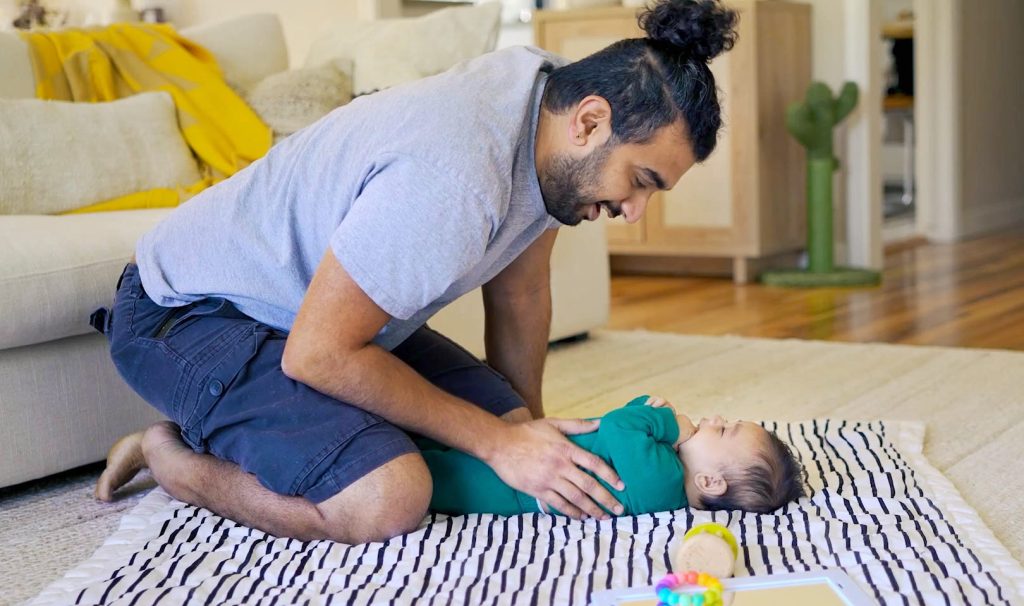
Why Is It Important To Interact With Infants? In the early stages of life, every interaction and experience shape an infant’s cognitive, emotional, and social development. As caregivers and educators, our role in fostering healthy growth and learning for infants in daycare or school environments is paramount. Interacting with infants goes beyond simple caregiving tasks; it involves engaging with them in meaningful ways that support their overall well-being and development. In this blog post, we’ll delve into the importance of interacting with infants in daycare or school settings and explore the profound impact it has on their early years.

PRO TIP: Check out Monarch Montessori’s programs for kindergarten program, primary education, and toddler students. They help kids learn and grow in different ways. Don’t miss their Summer Camp and Infant Daycare in NJ for more fun and learning!

Building Trust and Attachment

Interacting with infants forms the foundation of trust and attachment between caregivers and children. When infants receive responsive and nurturing care, they develop a sense of security and confidence in their caregivers, which is essential for healthy emotional development. Through gentle touch, soothing words, and attentive responses to their needs, caregivers establish a secure attachment bond that lays the groundwork for positive relationships and emotional resilience later in life.

Stimulating Cognitive Development

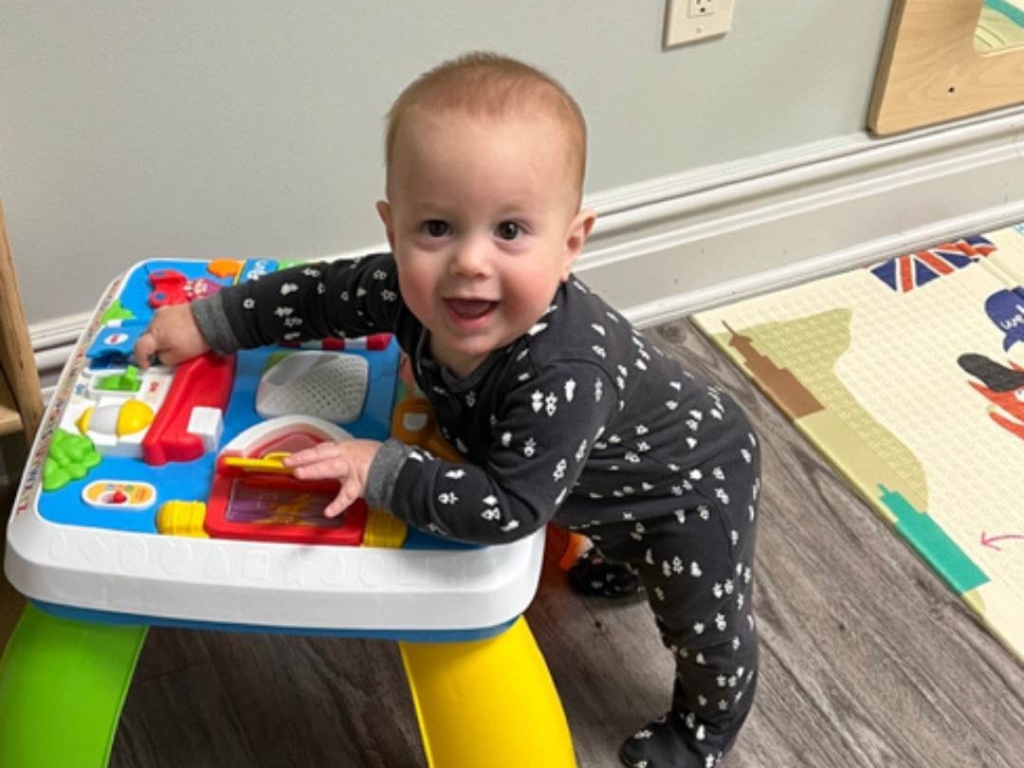
Infancy is a period of rapid brain development, with neurons forming new connections at an astonishing rate. Interacting with infants in stimulating ways provides valuable sensory experiences that promote cognitive development. Activities such as talking, singing, reading, and playing with age-appropriate toys help infants explore their environment, develop language skills, and enhance their cognitive abilities. By engaging in interactive experiences, caregivers stimulate infants’ curiosity and foster a love for learning from an early age.

Supporting Language Acquisition

Language development begins in infancy, with infants eagerly absorbing the sounds, rhythms, and patterns of speech in their environment. Interacting with infants through conversation, storytelling, and singing not only exposes them to language but also encourages vocalization and communication skills. Caregivers can model language, respond to infants’ babbling, and engage in reciprocal exchanges to support the development of expressive and receptive language abilities.

Why Is It Important To Interact With Infants

Encouraging Social Interaction

Even in the earliest months of life, infants demonstrate a natural inclination towards social interaction and connection with others. Interacting with infants in daycare or school settings provides opportunities for social engagement and peer interaction, which are essential for developing social skills and emotional intelligence. Through simple games, turn-taking activities, and group interactions, caregivers facilitate meaningful social experiences that lay the groundwork for positive relationships and cooperation in later years.

Fostering Emotional Regulation

Infants rely on caregivers to help them regulate their emotions and navigate the ups and downs of daily life. Interacting with infants in responsive and sensitive ways teaches them to recognize and express their emotions, as well as cope with stress and frustration. By providing comfort, reassurance, and validation of their feelings, caregivers support infants’ emotional development and lay the groundwork for healthy self-regulation skills.

Promoting Physical Development

Interacting with infants involves supporting their physical development through activities that encourage movement, exploration, and sensory experiences. Caregivers can provide opportunities for tummy time, crawling, reaching, and grasping, as well as introduce age-appropriate toys and objects that stimulate fine and gross motor skills. Through interactive play and movement activities, caregivers help infants develop strength, coordination, and spatial awareness.

Why Is It Important To Interact With Infants?

Interacting with infants in daycare or school settings is essential for nurturing their holistic development and laying the foundation for lifelong learning and well-being. From building trust and attachment to stimulating cognitive development, supporting language acquisition, and fostering social interaction, the interactions infants have with caregivers shape their early experiences and lay the groundwork for future growth and success. As caregivers and educators, it is our responsibility to provide infants with responsive, nurturing, and enriching experiences that support their physical, cognitive, emotional, and social development during this critical period of life. By prioritizing meaningful interactions with infants, we empower them to thrive and reach their full potential in the years to come. Contact Monarch Montessori School in New Jersey for any questions about our infant program! 

Our Location

We are located at 2 Newark Pompton Turnpike, Little Falls, NJ 07424.

The post Why Is It Important To Interact With Infants? appeared first on Monarch Montessori School.


source https://www.monarch-montessori.com/why-is-it-important-to-interact-with-infants/

Friday, March 15, 2024

Exploring the Importance of Hands-On Learning in Early Education

Exploring the Importance of Hands-On Learning in Early Education

Interested in exploring the importance of hands-on learning in early education? You’ve found the right post. Hands-on learning has long been one of the best ways to teach children early lessons and skills. This way, young students both study materials and learn through experience. The lessons let kids use their hands to learn and create. These teach them how to solve common problems in life. It’s worth further delving into why this method continues to be effective. 

The Montessori Principle of Hands-On Learning

It’s a common, well-stated goal that children should be taught skills for the future. But the Montessori way of teaching favors giving kids hands-on experience. The principle believes that providing in-person lessons is the best way for kids to retain lessons. The concept is named after Dr. Maria Montessori. She firmly believed in the importance of providing hands-on lessons for children. This makes it easier for kids to grasp concepts. This hands-on approach immerses children intellectually and emotionally. This will increase the chance for lessons sticking with kids as they age.

Hands-On Learning Is Easier for Children

The Montessori approach has children moving around the classroom for lessons. Here, they’ll engage with several activities. This is a better approach to children remaining in classroom desks while the teacher provides lessons. This gives children the freedom to choose which lesson they’d like to experience next. They’ll then bring it to one of their own tables. They’ll explore materials and discover concepts for themselves.

Children can be taught to count, sure. But it’s better when kids are shown how numbers are applied to real-world settings. This is easier to teach them when they’re given materials to count. For example: If kids want to know the number of peas in a can, they’ll learn numbers by counting them. This is also a great way to teach kids about colors. It’s one matter to merely give them the information from a textbook in a lesson plan. It’s another matter to let them mix the colors themselves. 

PRO TIP: Explore Monarch Montessori’s tailored programs for infants, toddlers, primary students, and more, nurturing holistic growth and development at every stage.

It’s Very Effective for Younger Children

It’s a great idea to let a child explore subjects and experiences for themselves. This is particularly effective when they’re very young. Teachers can provide these hands-on examples in schools. 

These will include the concepts about counting and colors. But they can also work alongside adults as they perform their duties. The kids can help with the cleaning and washing. With plenty of hands-on experience, they’ll learn to do it themselves. Young kids love to go hands-on with lessons and examples. They enjoy the concept of touching and feeling at a younger age. This is a great way to both state their desires, and teach them life lessons.

Exploring-the-Importance-of-Hands-On-Learning-in-Early-Education

The Best Subjects to Teach for This Hands-On Learning

Children will excel when they’re taught several subjects through hands-on learning. This will include cultural studies, where children can identify places around the world. Science is included here too. Children will learn about animals through sketching them. They’ll also engage in weather-related and environmental experiences. Math concepts are also easier to teach here. Children are given tangible objects to count, including blocks and beans. Montessori also works for improving language skills in the young. Sequencing cards are great tools for children to test themselves. The same applies to movable alphabet letters and words.

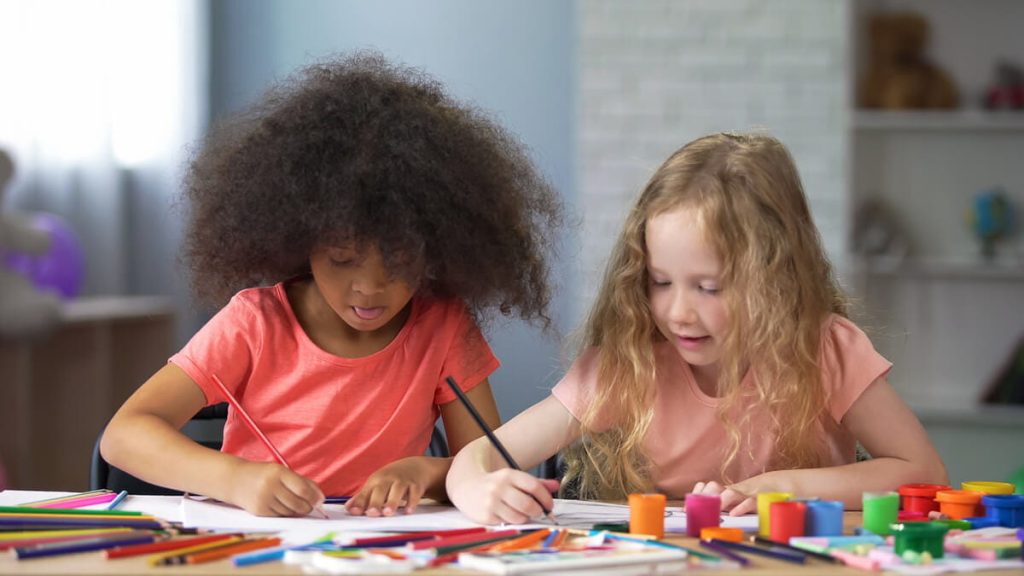
The Montessori way is also key for teaching comparatively uncommon classroom lessons. These include fine motor skills. It’s easier for kids to learn how to complete art projects this way. This is also key for teaching them how to draw, trace, and cut objects. Other life skills are also teachable through hands-on learning. They’ll learn how to use common tools. They’ll also learn through their parents giving them guidance.

Exploring the Importance of Hands-On Learning in Early Education

Hands-on learning is important for children. It makes lessons easier for them to retain as they ease their way into their teenage years and adulthood. The Montessori way favors having children learning through tangible lessons with examples. The children even have the freedom to learn what they want at any given time. Here, the children will put their practicing into action. Several subjects are easier for kids to remember through these hands-on methods. These methods explore the importance of hands-on learning in early education.

The post Exploring the Importance of Hands-On Learning in Early Education appeared first on Monarch Montessori School.


source https://www.monarch-montessori.com/exploring-the-importance-of-hands-on-learning-in-early-education/

5 Common Causes Of Potty Training Regression

5 Common Causes Of Potty Training Regression If you’ve joyfully celebrated your little one’s potty training success , only to find yourselv...